%20%20--%3E%0A%3Csvg%20version%3D%221.1%22%20xmlns%3D%22http%3A%2F%2Fwww.w3.org%2F2000%2Fsvg%22%20xmlns%3Axlink%3D%22http%3A%2F%2Fwww.w3.org%2F1999%2Fxlink%22%20x%3D%220px%22%20y%3D%220px%22%0A%09%20viewBox%3D%220%200%201107.9%20200%22%20style%3D%22enable-background%3Anew%200%200%201107.9%20200%3B%22%20xml%3Aspace%3D%22preserve%22%3E%0A%3Cstyle%20type%3D%22text%2Fcss%22%3E%0A%09.st0%7Bfill%3A%23231F20%3B%7D%0A%09.st1%7Bfill%3A%236DAADC%3B%7D%0A%09.st2%7Bfill%3A%23273C4B%3B%7D%0A%09.st3%7Bfill%3A%23FFFFFF%3B%7D%0A%3C%2Fstyle%3E%0A%3Cg%20id%3D%22Template%22%3E%0A%3C%2Fg%3E%0A%3Cg%20id%3D%22Layer_2%22%3E%0A%09%3Cg%3E%0A%09%09%3Cpath%20class%3D%22st3%22%20d%3D%22M86.3%2C89.4V60.8c0-15.4-7.4-22.6-22.6-22.6H0v114.5h27.1v-39.4H43l19.1%2C39.4h28.3l-19.8-41.4%0A%09%09%09C81.3%2C109.4%2C86.3%2C102.3%2C86.3%2C89.4z%20M59.2%2C87.6c0%2C2.5-0.8%2C3.1-3.1%2C3.1H27.1V61.3h28.9c2.3%2C0%2C3.1%2C0.7%2C3.1%2C3.1V87.6z%22%2F%3E%0A%09%09%3Cpolygon%20class%3D%22st3%22%20points%3D%2295.5%2C152.7%20174.3%2C152.7%20174.3%2C129.1%20122.6%2C129.1%20122.6%2C105.8%20164%2C105.8%20164%2C82.5%20122.6%2C82.5%20%0A%09%09%09122.6%2C61.8%20174.3%2C61.8%20174.3%2C38.2%2095.5%2C38.2%20%09%09%22%2F%3E%0A%09%09%3Cpath%20class%3D%22st3%22%20d%3D%22M246.9%2C38.2h-63.8v114.5h27.1v-37h36.6c15.2%2C0%2C22.6-7.2%2C22.6-22.6V60.8C269.5%2C45.4%2C262.1%2C38.2%2C246.9%2C38.2z%0A%09%09%09%20M242.3%2C89.2c0%2C2.5-0.8%2C3.1-3.1%2C3.1h-28.9V61.6h28.9c2.3%2C0%2C3.1%2C0.7%2C3.1%2C3.1V89.2z%22%2F%3E%0A%09%09%3Cpath%20class%3D%22st3%22%20d%3D%22M344.8%2C38.2h-44c-15.2%2C0-22.6%2C7.2-22.6%2C22.6v69.3c0%2C15.2%2C7.4%2C22.6%2C22.6%2C22.6h44c15.4%2C0%2C22.6-7.4%2C22.6-22.6%0A%09%09%09V60.8C367.4%2C45.4%2C360.2%2C38.2%2C344.8%2C38.2z%20M340.3%2C126c0%2C2.3-0.7%2C3.1-3.1%2C3.1h-28.6c-2.3%2C0-3.1-0.8-3.1-3.1V64.9%0A%09%09%09c0-2.5%2C0.8-3.1%2C3.1-3.1h28.6c2.5%2C0%2C3.1%2C0.7%2C3.1%2C3.1V126z%22%2F%3E%0A%09%09%3Cpath%20class%3D%22st3%22%20d%3D%22M462.6%2C89.4V60.8c0-15.4-7.4-22.6-22.6-22.6h-63.8v114.5h27.1v-39.4h15.9l19.1%2C39.4h28.3l-19.8-41.4%0A%09%09%09C457.5%2C109.4%2C462.6%2C102.3%2C462.6%2C89.4z%20M435.4%2C87.6c0%2C2.5-0.8%2C3.1-3.1%2C3.1h-28.9V61.3h28.9c2.3%2C0%2C3.1%2C0.7%2C3.1%2C3.1V87.6z%22%2F%3E%0A%09%09%3Cpolygon%20class%3D%22st3%22%20points%3D%22471.2%2C61.9%20501%2C61.9%20501%2C152.7%20528.1%2C152.7%20528.1%2C61.9%20558%2C61.9%20558%2C38.2%20471.2%2C38.2%20%09%09%22%2F%3E%0A%09%09%3Crect%20x%3D%22566.9%22%20y%3D%2238.2%22%20class%3D%22st3%22%20width%3D%2227.1%22%20height%3D%22114.5%22%2F%3E%0A%09%09%3Cpolygon%20class%3D%22st3%22%20points%3D%22670.9%2C105.4%20630.5%2C38.2%20602.9%2C38.2%20602.9%2C152.7%20629.2%2C152.7%20629.2%2C81.7%20672%2C152.7%20697.2%2C152.7%20%0A%09%09%09697.2%2C38.2%20670.9%2C38.2%20%09%09%22%2F%3E%0A%09%09%3Cpath%20class%3D%22st3%22%20d%3D%22M771%2C38.2h-42.3c-15.2%2C0-22.6%2C7.2-22.6%2C22.6v69.3c0%2C15.2%2C7.4%2C22.6%2C22.6%2C22.6H771c15.2%2C0%2C22.6-7.4%2C22.6-22.6%0A%09%09%09V87.8h-46.3v22.4h19.3v16c0%2C2.3-0.8%2C3.1-3.1%2C3.1h-27.1c-2.3%2C0-3.1-0.8-3.1-3.1V64.7c0-2.5%2C0.8-3.1%2C3.1-3.1h27.1%0A%09%09%09c2.3%2C0%2C3.1%2C0.7%2C3.1%2C3.1V76h27V60.8C793.5%2C45.4%2C786.2%2C38.2%2C771%2C38.2z%22%2F%3E%0A%09%09%3Cpath%20class%3D%22st1%22%20d%3D%22M987.2%2C182.3c-8.2-2.6-16.5-19.1-21.7-33.8c-11.7-32.7-18-45.9-50.9-47.4h-1.5c5-3%2C10.4-6.7%2C16.2-11.3%0A%09%09%09c20.1-16%2C41.4-43.3%2C57.2-58c17.5-16.2%2C26.6-1.9%2C27.1%2C2.2c1.3%2C11.7%2C14.1%2C19.7%2C25.5%2C13.4c16-8.9%2C14.5-26.2%2C6.3-36.4%0A%09%09%09c-3.2-4.1-10-11.5-27.9-11c-25.1%2C0.6-42.7%2C13.6-60.4%2C28.6c-24%2C20.1-37.2%2C44.6-56.5%2C58.5c5.6-17.8%2C15.6-47.9%2C16.7-51.3%0A%09%09%09c2.4-7.6-3.5-13.2-9.5-11.5c-8.7%2C2.8-7.1%2C6.7-34.6%2C13.9c-9.3%2C2.2-4.1%2C7.8-1.5%2C12.8c2.6%2C5.2-3.2%2C15.4-13%2C48.1%0A%09%09%09c-8.4-0.4-16-1.1-22.3-3.5c-9.1-3-10.8-8.9-11.7-13.9c-1.1-5-7.4-1.1-9.5%2C2.8c-12.1%2C20.6%2C6.5%2C31.4%2C24.5%2C32.7%0A%09%09%09c3.5%2C0.4%2C8%2C0.6%2C13.2%2C0.9c-4.1%2C14.1-7.6%2C24.5-8.4%2C27.1c-2.2%2C6.7-6.5%2C7.1-10.4%2C10.8c-5.8%2C5.6-5.2%2C11.3%2C3.5%2C11.3%0A%09%09%09c15.6-0.2%2C31.2%2C0%2C47%2C0c4.1%2C0%2C6.9-2%2C7.1-6.1c0-4.3-3-6.1-5.8-7.8c-2-1.3-3.2-2.4-2.6-4.8c3-11.7%2C4.3-18.8%2C8-30.5%0A%09%09%09c7.1-0.4%2C23.4%2C0.2%2C32.3%2C27.3c5%2C16.2%2C9.3%2C44.2%2C25.3%2C51.3c16.7%2C7.4%2C38.3%2C1.1%2C46.3-3.5c3.7-2.2%2C5.6-5%2C4.1-7.8%0A%09%09%09C997%2C182.1%2C995.7%2C185.1%2C987.2%2C182.3z%22%2F%3E%0A%09%09%3Cpath%20class%3D%22st1%22%20d%3D%22M1107%2C66.3c-1.5-3.6-7.2-9.2-18.2-11.2c-5.4-1-30.5-6.2-59.3%2C3.5c-35.4%2C12.1-67.1%2C41.4-56.3%2C77.3%0A%09%09%09c4.1%2C13.3%2C17.4%2C25.4%2C26.9%2C30.4c27.1%2C14.6%2C63.8%2C8.9%2C74.2%2C5c4.6-1.9%2C9.7-4.6%2C12.4-7.6c2.7-3.1%2C1.2-4-0.2-4.7%0A%09%09%09c-3.7-1.8-9.7%2C4.6-26.5%2C4.2c-7.9-0.1-17.2-1.9-24-5.3c-12-5.5-30.2-20.1-24.4-48c5.2-25.6%2C30.4-41.2%2C42-46.2%0A%09%09%09c21.8-9.6%2C26.9%2C1.9%2C25.1%2C7.3c-1.7%2C7.1%2C3.9%2C11.4%2C13.9%2C11.2C1106.3%2C82%2C1109.7%2C72.8%2C1107%2C66.3z%22%2F%3E%0A%09%3C%2Fg%3E%0A%3C%2Fg%3E%0A%3C%2Fsvg%3E%0A)

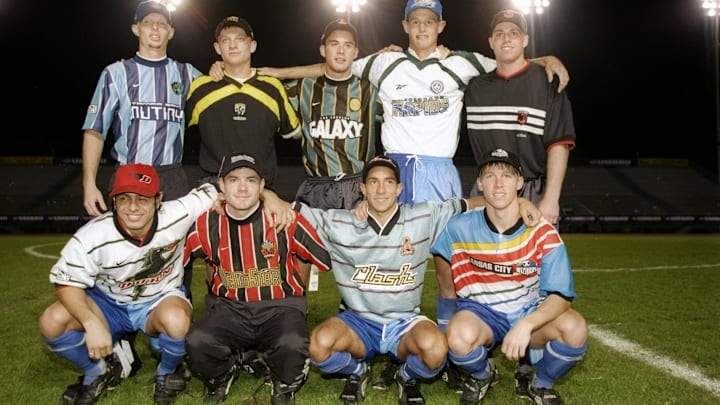
The Kansas City Wiz’s first-ever MLS Draft pick was attacking player Mark Chung. Looking to continue building the squad for the inaugural 1996 season, Kansas City entered the second round aiming to strengthen the forward line.
Peter Isaacs arrived as an experienced option. The Jamaican forward had spent four years at Howard University before moving through professional and semi-professional leagues across the United States and Mexico.
His path reflected the instability of American soccer in the early 1990s, a period between the collapse of the North American Soccer League and the launch of MLS in 1996.
A collegiate foundation and a fragmented pro career
Isaacs had already found success at the collegiate level. Alongside future MLS goalkeeper Shaka Hislop, Howard University reached the 1988 NCAA National Championship Game against Indiana University. The Bison fell 1–0, ending a standout campaign built on a talented group of amateur players, some who would become professionals.
After leaving Howard, Isaacs joined the San Francisco Blackhawks in 1990, where he spent three seasons. He remained with the club as it relocated to San Jose in 1993, continuing to play in the USISL. During this era, leagues frequently formed, folded, or rebranded, and players were forced to move wherever opportunities emerged.
In 1994, Isaacs played for the Fort Lauderdale Strikers before joining the Tampa Bay Cyclone in 1995. By the time MLS prepared to launch, he had built a career defined by persistence and adaptability.
Drafting Isaacs in the inaugural MLS landscape
With MLS set to begin in spring 1996, the Kansas City Wiz selected Isaacs in the second round of the draft, 16th overall, held on February 6 and 7. After taking Chung with their first pick, the Wiz turned to Isaacs despite him being 28 years old. The club’s front office and inaugural head coach Ron Newman believed he could contribute to the team in its first season.
Unlike modern MLS, the league’s early years featured a limited number of teams and players. While today’s roster rules are often seen as restrictive, they were even more unforgiving in 1996.
In the league’s first season, teams were required to reduce their squads to 22 players by March 25, just weeks before the season began. By April 15, rosters had to be cut further to only 18 players. In contrast, modern MLS clubs can carry up to 30 players on their first-team rosters.
Financial constraints added another layer of difficulty. The salary cap was set at $1.2 million, and no individual player could earn more than $192,500. MLS also limited teams to five foreign players, reflecting a focus on developing American talent during the league’s early years.
After participating in preseason with the Wiz, Isaacs was released on April 29 as the club finalized its roster. His departure was not unique. Dionysius Sebwe, Phil Wellington, Terry Woodberry, and Ken Snow were also cut as Kansas City adjusted to league requirements.
A career shaped by timing and structure
Isaacs continued playing until 1998, spending time with professional and semi-professional teams in Florida. He also earned 15 appearances for the Jamaican national team, adding international experience to his career.
Although he never appeared in a competitive match for the Kansas City Wiz, his selection in the inaugural draft reflects the challenges of building a team in MLS’s early years. The league’s structure ultimately prevented him from playing in MLS.
Isaacs’ story illustrates how roster rules and financial constraints shaped careers in MLS, and how players like Isaacs became part of a league still finding its identity.
 Add us as a preferred source on Google