%20%20--%3E%0A%3Csvg%20version%3D%221.1%22%20xmlns%3D%22http%3A%2F%2Fwww.w3.org%2F2000%2Fsvg%22%20xmlns%3Axlink%3D%22http%3A%2F%2Fwww.w3.org%2F1999%2Fxlink%22%20x%3D%220px%22%20y%3D%220px%22%0A%09%20viewBox%3D%220%200%201107.9%20200%22%20style%3D%22enable-background%3Anew%200%200%201107.9%20200%3B%22%20xml%3Aspace%3D%22preserve%22%3E%0A%3Cstyle%20type%3D%22text%2Fcss%22%3E%0A%09.st0%7Bfill%3A%23231F20%3B%7D%0A%09.st1%7Bfill%3A%236DAADC%3B%7D%0A%09.st2%7Bfill%3A%23273C4B%3B%7D%0A%09.st3%7Bfill%3A%23FFFFFF%3B%7D%0A%3C%2Fstyle%3E%0A%3Cg%20id%3D%22Template%22%3E%0A%3C%2Fg%3E%0A%3Cg%20id%3D%22Layer_2%22%3E%0A%09%3Cg%3E%0A%09%09%3Cpath%20class%3D%22st3%22%20d%3D%22M86.3%2C89.4V60.8c0-15.4-7.4-22.6-22.6-22.6H0v114.5h27.1v-39.4H43l19.1%2C39.4h28.3l-19.8-41.4%0A%09%09%09C81.3%2C109.4%2C86.3%2C102.3%2C86.3%2C89.4z%20M59.2%2C87.6c0%2C2.5-0.8%2C3.1-3.1%2C3.1H27.1V61.3h28.9c2.3%2C0%2C3.1%2C0.7%2C3.1%2C3.1V87.6z%22%2F%3E%0A%09%09%3Cpolygon%20class%3D%22st3%22%20points%3D%2295.5%2C152.7%20174.3%2C152.7%20174.3%2C129.1%20122.6%2C129.1%20122.6%2C105.8%20164%2C105.8%20164%2C82.5%20122.6%2C82.5%20%0A%09%09%09122.6%2C61.8%20174.3%2C61.8%20174.3%2C38.2%2095.5%2C38.2%20%09%09%22%2F%3E%0A%09%09%3Cpath%20class%3D%22st3%22%20d%3D%22M246.9%2C38.2h-63.8v114.5h27.1v-37h36.6c15.2%2C0%2C22.6-7.2%2C22.6-22.6V60.8C269.5%2C45.4%2C262.1%2C38.2%2C246.9%2C38.2z%0A%09%09%09%20M242.3%2C89.2c0%2C2.5-0.8%2C3.1-3.1%2C3.1h-28.9V61.6h28.9c2.3%2C0%2C3.1%2C0.7%2C3.1%2C3.1V89.2z%22%2F%3E%0A%09%09%3Cpath%20class%3D%22st3%22%20d%3D%22M344.8%2C38.2h-44c-15.2%2C0-22.6%2C7.2-22.6%2C22.6v69.3c0%2C15.2%2C7.4%2C22.6%2C22.6%2C22.6h44c15.4%2C0%2C22.6-7.4%2C22.6-22.6%0A%09%09%09V60.8C367.4%2C45.4%2C360.2%2C38.2%2C344.8%2C38.2z%20M340.3%2C126c0%2C2.3-0.7%2C3.1-3.1%2C3.1h-28.6c-2.3%2C0-3.1-0.8-3.1-3.1V64.9%0A%09%09%09c0-2.5%2C0.8-3.1%2C3.1-3.1h28.6c2.5%2C0%2C3.1%2C0.7%2C3.1%2C3.1V126z%22%2F%3E%0A%09%09%3Cpath%20class%3D%22st3%22%20d%3D%22M462.6%2C89.4V60.8c0-15.4-7.4-22.6-22.6-22.6h-63.8v114.5h27.1v-39.4h15.9l19.1%2C39.4h28.3l-19.8-41.4%0A%09%09%09C457.5%2C109.4%2C462.6%2C102.3%2C462.6%2C89.4z%20M435.4%2C87.6c0%2C2.5-0.8%2C3.1-3.1%2C3.1h-28.9V61.3h28.9c2.3%2C0%2C3.1%2C0.7%2C3.1%2C3.1V87.6z%22%2F%3E%0A%09%09%3Cpolygon%20class%3D%22st3%22%20points%3D%22471.2%2C61.9%20501%2C61.9%20501%2C152.7%20528.1%2C152.7%20528.1%2C61.9%20558%2C61.9%20558%2C38.2%20471.2%2C38.2%20%09%09%22%2F%3E%0A%09%09%3Crect%20x%3D%22566.9%22%20y%3D%2238.2%22%20class%3D%22st3%22%20width%3D%2227.1%22%20height%3D%22114.5%22%2F%3E%0A%09%09%3Cpolygon%20class%3D%22st3%22%20points%3D%22670.9%2C105.4%20630.5%2C38.2%20602.9%2C38.2%20602.9%2C152.7%20629.2%2C152.7%20629.2%2C81.7%20672%2C152.7%20697.2%2C152.7%20%0A%09%09%09697.2%2C38.2%20670.9%2C38.2%20%09%09%22%2F%3E%0A%09%09%3Cpath%20class%3D%22st3%22%20d%3D%22M771%2C38.2h-42.3c-15.2%2C0-22.6%2C7.2-22.6%2C22.6v69.3c0%2C15.2%2C7.4%2C22.6%2C22.6%2C22.6H771c15.2%2C0%2C22.6-7.4%2C22.6-22.6%0A%09%09%09V87.8h-46.3v22.4h19.3v16c0%2C2.3-0.8%2C3.1-3.1%2C3.1h-27.1c-2.3%2C0-3.1-0.8-3.1-3.1V64.7c0-2.5%2C0.8-3.1%2C3.1-3.1h27.1%0A%09%09%09c2.3%2C0%2C3.1%2C0.7%2C3.1%2C3.1V76h27V60.8C793.5%2C45.4%2C786.2%2C38.2%2C771%2C38.2z%22%2F%3E%0A%09%09%3Cpath%20class%3D%22st1%22%20d%3D%22M987.2%2C182.3c-8.2-2.6-16.5-19.1-21.7-33.8c-11.7-32.7-18-45.9-50.9-47.4h-1.5c5-3%2C10.4-6.7%2C16.2-11.3%0A%09%09%09c20.1-16%2C41.4-43.3%2C57.2-58c17.5-16.2%2C26.6-1.9%2C27.1%2C2.2c1.3%2C11.7%2C14.1%2C19.7%2C25.5%2C13.4c16-8.9%2C14.5-26.2%2C6.3-36.4%0A%09%09%09c-3.2-4.1-10-11.5-27.9-11c-25.1%2C0.6-42.7%2C13.6-60.4%2C28.6c-24%2C20.1-37.2%2C44.6-56.5%2C58.5c5.6-17.8%2C15.6-47.9%2C16.7-51.3%0A%09%09%09c2.4-7.6-3.5-13.2-9.5-11.5c-8.7%2C2.8-7.1%2C6.7-34.6%2C13.9c-9.3%2C2.2-4.1%2C7.8-1.5%2C12.8c2.6%2C5.2-3.2%2C15.4-13%2C48.1%0A%09%09%09c-8.4-0.4-16-1.1-22.3-3.5c-9.1-3-10.8-8.9-11.7-13.9c-1.1-5-7.4-1.1-9.5%2C2.8c-12.1%2C20.6%2C6.5%2C31.4%2C24.5%2C32.7%0A%09%09%09c3.5%2C0.4%2C8%2C0.6%2C13.2%2C0.9c-4.1%2C14.1-7.6%2C24.5-8.4%2C27.1c-2.2%2C6.7-6.5%2C7.1-10.4%2C10.8c-5.8%2C5.6-5.2%2C11.3%2C3.5%2C11.3%0A%09%09%09c15.6-0.2%2C31.2%2C0%2C47%2C0c4.1%2C0%2C6.9-2%2C7.1-6.1c0-4.3-3-6.1-5.8-7.8c-2-1.3-3.2-2.4-2.6-4.8c3-11.7%2C4.3-18.8%2C8-30.5%0A%09%09%09c7.1-0.4%2C23.4%2C0.2%2C32.3%2C27.3c5%2C16.2%2C9.3%2C44.2%2C25.3%2C51.3c16.7%2C7.4%2C38.3%2C1.1%2C46.3-3.5c3.7-2.2%2C5.6-5%2C4.1-7.8%0A%09%09%09C997%2C182.1%2C995.7%2C185.1%2C987.2%2C182.3z%22%2F%3E%0A%09%09%3Cpath%20class%3D%22st1%22%20d%3D%22M1107%2C66.3c-1.5-3.6-7.2-9.2-18.2-11.2c-5.4-1-30.5-6.2-59.3%2C3.5c-35.4%2C12.1-67.1%2C41.4-56.3%2C77.3%0A%09%09%09c4.1%2C13.3%2C17.4%2C25.4%2C26.9%2C30.4c27.1%2C14.6%2C63.8%2C8.9%2C74.2%2C5c4.6-1.9%2C9.7-4.6%2C12.4-7.6c2.7-3.1%2C1.2-4-0.2-4.7%0A%09%09%09c-3.7-1.8-9.7%2C4.6-26.5%2C4.2c-7.9-0.1-17.2-1.9-24-5.3c-12-5.5-30.2-20.1-24.4-48c5.2-25.6%2C30.4-41.2%2C42-46.2%0A%09%09%09c21.8-9.6%2C26.9%2C1.9%2C25.1%2C7.3c-1.7%2C7.1%2C3.9%2C11.4%2C13.9%2C11.2C1106.3%2C82%2C1109.7%2C72.8%2C1107%2C66.3z%22%2F%3E%0A%09%3C%2Fg%3E%0A%3C%2Fg%3E%0A%3C%2Fsvg%3E%0A)

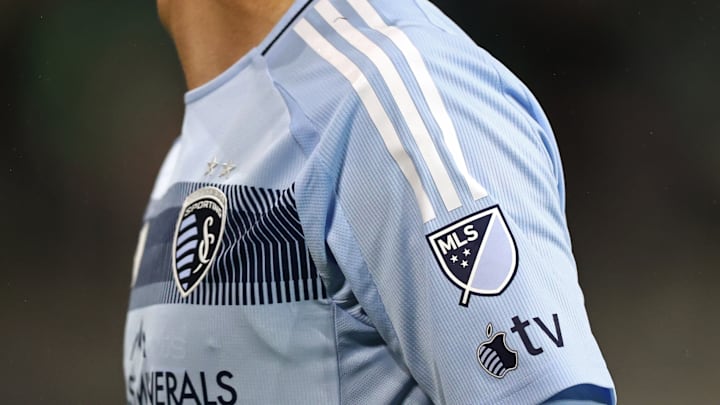
The MLS winter transfer window shut on Thursday, bringing an end to any potential deals Sporting KC were attempting to push over the line.
There are just 24 players signed to first-team contracts at Sporting Kansas City. It’s a low number, but the reality is the club entered the winter window on the back foot. Roster turnover, expiring contracts, and a shifting identity under Raphael Wicky meant this was never going to be a straightforward rebuild.
Wicky now finds himself in an unenviable position. He must try to pick up points across the next nine matches with the players available. The Wizards could still dip into the free agent market—as they did in preseason—but the more likely scenario is sporting director David Lee turning his focus to summer deals. That includes decisions on 11 players whose contracts expire at the end of the 2026 MLS season.
Sporting Kansas City will face the New York Red Bulls on May 24 at Sporting Park. The 2026 FIFA World Cup begins the following day, pausing league play until July 17. By the time MLS resumes, Sporting will be joined by a 25th player, Or Blorian, arriving on a free transfer from Hapoel Be’er Sheva.
Sporting KC did complete three paid transfers this winter. Lasse Berg Johnsen arrived from Malmo, Capita joined from Radomiak Radom, and Diego Borges signed from Zalaegerszegi TE. All three are expected to play major roles in 2026, with Johnsen already making an impact.
But those weren’t the only deals Sporting KC pursued.
For every signing, there are the players who don’t arrive. It’s the messy reality of global soccer economics. As it is said about football transfers: for every transfer target, you need three to four alternatives. So, who were the players Sporting KC missed out on?
Juljan Shehu – Midfielder
Juljan Shehu was first linked with Sporting KC in December, just days before Wicky’s appointment. The midfielder remains at Widzew Lodz, but the connection reveals something important about Sporting’s recruitment model.
Even though Shehu didn’t sign, Sporting still pulled Capita from fellow Polish club Radomiak. That suggests the club has either a scouting network forming or reliable contacts within the Ekstraklasa. Sporting KC consistently targeted players from Eastern Europe and Scandinavia this winter. These are leagues that mirror MLS in physicality, tempo, and tactical demands, but at a lower cost.
Several clubs were interested in Shehu during the window, and staying put only increases the likelihood of a larger move in the summer. The clubs that were interested, Valencia and Panathianikos, are far bigger than Sporting KC. Both can offer the 25-year-old midfielder something more financially and professionally.
For Sporting KC, this looks less like a failed deal and more like a missed opportunity in a competitive market. The team signed Johnsen weeks later.
Cesar Inga – Left-back
The Cesar Inga situation is a reminder that transfers are rarely as simple as they appear.
Reports out of Peru suggested Inga had agreed to a four-year contract with Sporting KC. The deal was done. However, it collapsed because of a third party: Asociacion Deportiva Tarma (ADT), Inga’s former club.
ADT hold a 20% sell-on clause and blocked the move, believing their share of the transfer fee would be too low. Sporting KC, Inga, and Universitario had reached an agreement, but one stakeholder was enough to stop everything.
This is modern soccer economics in action. Sell-on clauses, third-party interests, and layered negotiations mean a transfer isn’t complete until every party signs off. Inga’s move didn’t fall apart because of competing interest or contract terms. It failed because the financial distribution didn’t satisfy everyone involved.
Sporting KC pivoted quickly, signing Jayden Reid after a successful preseason trial. Whether that move was directly linked to Inga’s collapse is unclear, but the timeline suggests Reid was the alternative.
Rogers Mato – Winger
Then there’s the bizarre story of Rogers Mato, Sporting KC, and leaked emails. Sporting KC reportedly agreed a $1 million deal with North Macedonian club Vardar. The problem? Mato didn’t want to go to Kansas City.
Vardar publicly released email exchanges with Sporting KC, frustrated that Mato had signed a pre-contract with Scottish club Hearts. It was an unusually transparent and messy look behind the curtain of a transfer negotiation.
Sporting KC confirmed their position in a rare public statement: “Sporting Kansas City explored a transfer for Rogers Mato, but he has elected to sign a pre-contract with Hearts, and we wish him all the best in the future.”
Two weeks later, Mato joined Hearts on loan, with the Scottish club paying Vardar a $693,000 loan fee. It’s a significant signing for Hearts, as they chase the Scottish Premiership title. If Hearts were to pull it off, they would become the first team since Aberdeen in 1984–85, under Alex Ferguson, to break the dominance of Celtic and Rangers.
For Sporting KC, the Mato situation highlights a different issue. Even when a fee is agreed, MLS clubs can still lose out if the player’s preference lies elsewhere. In a global market, Kansas City isn’t just competing financially, but culturally, competitively, and geographically.
What it all means
Shehu, Inga, and Mato represent three different types of failed transfers: competition, complexity, and player choice. Together, they paint a clear picture of Sporting KC’s winter window.
The club identified the right profiles. It operated in smart markets. It even agreed deals. But in the end, only three players arrived, and those may have been the alternatives.
With just 24 first-team players for the next nine games, Wicky must work some magic to pick up points. As it has been said by other Sporting Kansas City writers and podcasters, the team that started the MLS season is likely to look very different by the end. July and August should see more players come in. The summer transfer window opens on July 13.
 Add us as a preferred source on Google